info@airmep.in | +91-9810220896 | New Delhi, Delhi, 110015

What is a Humidity Sensor? How They Work, Types, and Applications

A humidity sensor is an electronic device developed to measure the amount of water vapor in the surrounding air or environment. They protect perishable goods, sustain manufacturing quality, and handle convenient climate conditions.
Have you ever wondered how your smart thermostat understands precisely when the air is very sticky, or how food storage facilities keep their inventory from spoiling? The secret depends on a small but extremely strong device – the Humidity Sensor. From big commercial buildings down to the micro-environments inside consumer electronics, measuring moisture in the air is crucial for convenience, protection, and functional effectiveness.
Table of Contents
What is a Humidity Sensor?
A humidity sensor is an electronic gadget that measures and reports the amount of moisture or water vapor present in the surrounding air or gas.
Unlike temperature, which is effortless to feel directly, humidity is a little more elusive because it represents invisible water suspended in the air. A humidity sensor reads these invisible modifications and turns them into an electronic signal. This signal can then be read by a computer, a technical display, or an industrial automation system to make real-time decisions.
The Core Metrics – RH vs. AH
To comprehend how these sensors operate, it is crucial to comprehend the two distinct methods we use to measure moisture in the environment.
1. Relative Humidity (RH)
This is the metric you hear most often during weather reports or see on your indoor thermostat. Relative Humidity is the percentage of your actual amount of water vapor in the air in comparison to the maximum amount of water vapor the air could hold at that precise same temperature. It is expressed as a ratio. Because warm air can hold remarkably more moisture than cold air, RH is extremely dependent on temperature.
2. Absolute Humidity (AH)
Unlike RH, Absolute Humidity doesn’t care about the current air temperature. It measures the precise mass of water vapor present in a particular volume of air, typically written as grams of water per cubic meter of air.
Most regular automation systems, particularly HVAC Sensors, mainly concentrate on Relative Humidity because it directly dictates how we experience comfort and how materials interact with the air.
How Does a Humidity Sensor Work?

At its heart, a humidity sensor detects modifications in the physical properties of an internal material when it is exposed to moisture.
Most sensors are made with a small moisture-sensitive material sandwiched between two electrical nodes. As the surrounding air gets more humid, this material absorbs microscopic water droplets. When it absorbs water, its electrical behavior changes. The sensor’s internal microchip measures this electrical shift, calculates the corresponding moisture level, and sends that data outward.
To transmit this data over long distances without losing signal power, like from a rooftop ventilation unit down to a basement control room, the sensor is usually paired with a Humidity Transmitter. The transmitter converts the sensor’s raw, delicate readings into strong, standardized electrical signals that can travel through industrial wiring without interference.
Primary Humidity Sensor Types
Different environments call for various technologies. Relying on your project budget, precision demands, and running conditions, you will typically select between three primary Humidity Sensor Types.
1. Capacitive Humidity Sensors – These are the most typical sensors found in commercial and industrial settings. They depend on a non-conductive dielectric material placed between two metal plates.
- The Science – Water has a very high dielectric constant. When the air’s humidity changes, the material absorbs moisture, changing the overall electrical capacitance of the formation.
- Pros – Extremely precise, superior stability over long durations, and can withstand broad temperature variations.
2. Resistive Humidity Sensors – Resistive sensors take a little distinct system. They measure the change in electrical resistance instead of capacitance.
- The Science – These sensors generally feature a salt or conductive polymer layer. As water vapor is absorbed, the material’s electrical resistance drops, permitting current to flow more effortlessly.
- Pros – Typically smaller, much more affordable to manufacture, and ideal for cost-sensitive consumer appliances.
3. Thermal Conductivity Humidity Sensors – These sensors don’t measure RH; they are specialized for measuring Absolute Humidity, specifically in harsh or extremely high-temperature environments.
- The Science – They use two small thermistors. One thermistor is sealed in dry nitrogen, while the other is exposed to the open room air. By comparing the distinction in heat conductivity between the two, the system calculates the crucial density of water vapor.
- Pros – Extremely durable, runs at temperatures more than 100°C, and is ideal for industrial drying kilns or commercial ovens.
Critical Applications Across Industries
Humidity control isn’t a luxury; it is an operational need for a huge range of advanced industries.
1. Commercial HVAC Systems & Building Automation – In advanced buildings, humidity sensors work side-by-side with HVAC temperature sensors to sustain indoor air quality. Keeping relative humidity between 40% and 60% prevents toxic mold expansion, decreases dust mites, and makes sure employees or residents remain convenient.
2. Medical and Pharmaceutical Environments – Hospitals and drug manufacturing plants should follow stringent legal conditions. If humidity spikes in a medicine storage facility, pills can dissolve, powders can clump, and sterile tools can become contaminated.
3. Greenhouses and Agriculture – Plants require an accurate balance of transpiration to expand usefully. Automatic irrigation and ventilation systems depend on durable climate sensors to trigger misting systems or open exhaust windows when the air dries out.
Sourcing Enterprise-Grade Hardware
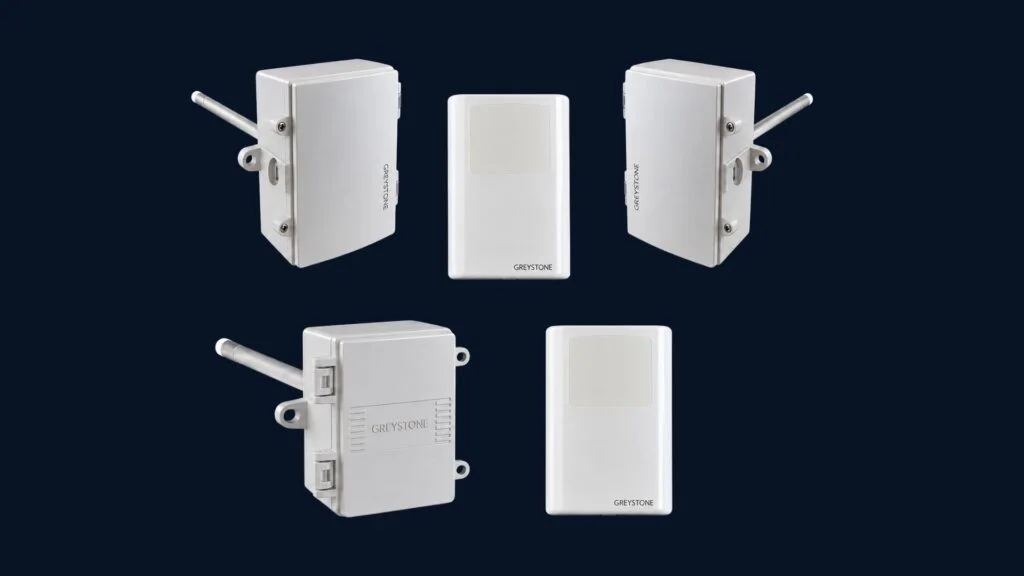
When choosing parts for big-scale facilities, sub-par hardware leads to usual drift, continuous recalibration cycles, and premature system failures. That is why system engineers highly depend on reliable product lines like Greystone Humidity Sensors.
Known internationally for rugged durability and accurate engineering, the Greystone Humidity Sensors lineup features modern technical linearization and temperature-compensated circuitry. Whether you require a room-mounted interface, a duct-inserted probe, or a weatherproof outside model, Greystone hardware delivers continuous, trusted readings year after year.
To get genuine components through broad digital paperwork and local engineering support, it is crucial to source your hardware through an authorized Humidity Sensor Supplier. In areas demanding high-performance infrastructure, Airmep Sales Corporation stands out as a leading Greystone Sensors Supplier. Collaborating with a vetted distributor makes sure that your project receives authentic, warranty-protected parts customized to your precise system demands.
Conclusion
Controlling ambient moisture is no longer just about basic indoor comfort; it is a vital pillar of structural longevity, regulatory compliance, and industrial efficiency. Whether you’re optimizing a commercial high-rise, securing a pharmaceutical storage vault, or managing a precision agricultural facility, comprehending how a Humidity Sensor works is the first stage to real climate intelligence.
For dependable, enterprise-grade results with minimal maintenance drift, the industry standard is to invest in proven hardware such as Greystone Humidity Sensors. Partner with an experienced, qualified Humidity Sensor Supplier like Airmep Sales Corporation to be assured your systems are supported by genuine parts, accurate calibration, and expert engineering support. In the end, selecting the right mix of HVAC Sensors will grant you total command of your surroundings, building safer, smarter, and more energy-efficient environments of the future.